Oil-gas lubrication is a new type of lubrication technology, which has incomparable advantages over traditional single-phase fluid lubrication technology. It meets the working conditions of high speed, heavy load, high strength, high stiffness and continuous rolling of steel rolling mills. Correct lubrication method and good sealing are one of the most effective methods to extend the life of rolling roller table bearings. This article focuses on the principle, structure and application characteristics of the oil and gas lubrication system.
Keywords: H-beam rolling mill; roller bearing; oil and gas lubrication
Preface
The large H-shaped steel production line of Maanshan Iron and Steel Co., Ltd. is the first hot-rolled large H-shaped steel production line introduced in China. The roll bearings of the universal rolling mill, the main equipment, were originally lubricated by dry oil. After long-term use or baking at high temperatures, the dry oil grease ages, causing the lubrication performance to decrease and the bearing wear to increase. The leaked grease falls on the surface of the product, forming black spots, which affects the surface quality of the H-shaped steel product. At the same time, the mixture of cooling water and emulsion forms grease contamination, which increases the difficulty of water treatment. Not only that, the dry oil lubrication method for roll bearing lubrication has problems such as high bearing damage rate and large grease consumption in practical applications. At the same time, high operating costs, heavy maintenance workload, and pollution of cooling water and environment have seriously restricted production capacity. In order to solve this problem, the technicians of the No. 3 Steel Rolling Plant boldly adopted the new technology of oil and gas lubrication to carry out technical transformation of the roll bearing lubrication of the universal steel rolling mill.
Working principle of oil and gas lubrication
The lubricating oil is distributed by the progressive distributor and transported to the oil and gas mixing block connected to the compressed air network, and is mixed with the compressed air in the oil and gas mixing block to form an oil and gas flow that is output from the oil and gas outlet and enters the oil and gas pipeline. In oil and gas pipelines, due to the action of compressed air, the lubricating oil moves forward in a wave shape along the inner wall of the pipeline, and gradually forms a thin continuous oil film. The oil and gas flow formed by the mixing of the oil and gas mixing block is distributed by the oil and gas distributor, and finally sprayed to the lubrication point as an extremely fine continuous oil droplet flow. The oil and gas distributor can realize multi-stage distribution of oil and gas flow. Due to the action of the compressed air entering the inside of the bearing, the lubricating part is cooled, and because the lubricating part maintains a certain positive pressure, external dirt and water cannot invade, which plays a good sealing role. The working principle of oil and gas lubrication is shown in Figure 1.
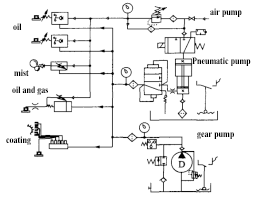
Figure 1 Working principle of oil and gas lubrication
Composition and technical parameters
(1) According to the characteristics of long steel rolling equipment and many lubrication points, the steel rolling lubrication points are divided into three satellite stations. Progressive lubrication is used to control the injection time and amount of oil from both time and signal feedback. The original dry oil lubrication system was changed to an oil and gas lubrication system consisting of a main station, a satellite station, an oil and gas distribution device in the station, an oil and gas distributor in the roller bearing seat, an electrical control device with PLC, and intermediate connecting pipes and pipe accessories. The satellite oil and gas lubrication system realizes remote mode, local mode and test mode. Monitor the oil tank level, compressed air pressure, oil supply pressure, filter pressure difference, lubrication status and oil and gas flow, and send an alarm signal in case of failure. At present, a complete method has been formed to monitor the working status of the oil and gas lubrication system and to control and realize the lubrication of the roll bearings of multi-stand rolling mills.
The system consists of a set of oil and gas lubrication devices, a PLC electronic control device, several oil and gas mixers and satellite stations. The system schematic diagram is shown in Figure 2. The lubricating oil reaches each signal station through the lubrication pump (use 1 and prepare 1), pass through the high-pressure ball valve, filter, throttle valve and main oil supply pipeline. Through the oil control and oil separation functions of the signal station, a certain amount of oil and compressed air are sent to each oil and gas mixer through branch oil pipes and air pipes respectively. After being mixed into oil and gas, they are sent to various lubrication points through oil and gas pipelines.

Figure 2 Principle diagram of oil and gas lubrication system of rolling mill
(2) Main parameters: nominal pressure of oil and gas lubrication device 8 MPa, nominal pressure of satellite station 5~7MPa, pressure switch setting pressure 5MPa, oil supply volume 421cm³/h, air pressure range 0.35~0.5 MPa, air consumption 102.6cm³/h, Provides 4 satellite stations and 56 oil ports.
(3) Control system: The electronic control system adopts PLC and SPS system that can be programmed arbitrarily. The system is also equipped with an operating panel model TD200 with LCD display. Users can adjust the settings of the working parameters of the oil and gas lubrication system (including working time of each zone, working times, interval time, air source delay stop time, quantitative timing delay conversion time, etc.) through the display. The electric control box is equipped with two lubrication methods: quantitative and timing, and users can choose according to actual needs. During lubrication, you can choose automatic work, that is, the host signal controls the start and automatic stop of the motor; manual work, that is, the button on the electric control box manually controls the start and stop of the motor.
Technical advantages and effects of use
(1) The lubrication condition of the bearings is greatly improved and the service life is greatly extended;
(2) The condition inside the bearing seat that is very dirty and difficult to clean when dry oil lubrication is used is changed. The inside of the bearing seat becomes very clean, which greatly reduces the labor intensity of workers;
(3) Oil-gas lubrication is a very minimal quantity lubrication and consumes very little oil;
(4) It can maintain a positive pressure of about 0.03 MPa in the bearing seat, has a good sealing effect, and can prevent cooling water or emulsion from intruding into the bearing seat and causing damage to the bearing;
(5) The compressed air that continuously enters the bearing seat can cool the bearing;
(6) It avoids contamination of the cooling water or emulsion caused by grease leakage from the bearing seat when using dry oil lubrication, as well as black spots formed on the surface of the steel plate, reduces water treatment costs, and extends the replacement cycle of the emulsion. ;
(7) It can effectively monitor the oil supply status, compressed air pressure, and fuel tank level. Once a fault occurs, it can promptly alarm and display the fault type;
(8) It can monitor the flow of oil and gas entering the bearing seat, and can alarm in time when the flow of oil and gas is blocked, effectively avoiding bearing damage;
(9) Significantly reduced spare parts consumption, reduced equipment maintenance, and increased output;
(10) Conducive to environmental protection. Because there is no oil mist, the surrounding environment is not polluted.
Conclusion
After applying the new technology of oil and gas lubrication to the universal rolling mill for large H-beam production at Maanshan Iron and Steel Co., Ltd. No. 3 Steel Rolling Plant, the life of the roll bearings has been extended, the reliability of the equipment has been improved, and the pipeline layout has been simple, greatly reducing the installation and maintenance costs of the pipeline system. The operating costs of lubricated equipment are significantly reduced, reducing equipment maintenance and operating costs. At the same time, no oil mist is produced, which is conducive to environmental protection, avoids pollution of recycled cooling water, and creates a cleaner factory environment. The lubrication condition of the bearings has been greatly improved and the service life has been greatly extended. Since it was put into operation, the lubrication condition of the universal rolling mill roll bearings has been significantly improved and significant benefits have been achieved. The annual grease purchase cost is about 500,000 yuan, the annual bearing consumption cost is reduced by about 2.5 million yuan, and the annual benefit from reducing production shutdowns is about 1 million yuan, totaling about 4 million yuan. Lubricating oil basically achieves zero emissions, with a utilization rate of over 99%. Compared with traditional lubrication methods, the consumption of lubricant is greatly reduced and expenses are greatly saved. At present, this new technology has been fully promoted and applied in large H-shaped steel edge rolling machines and small H-shaped steel production lines, with annual benefits reaching tens of millions of yuan.